
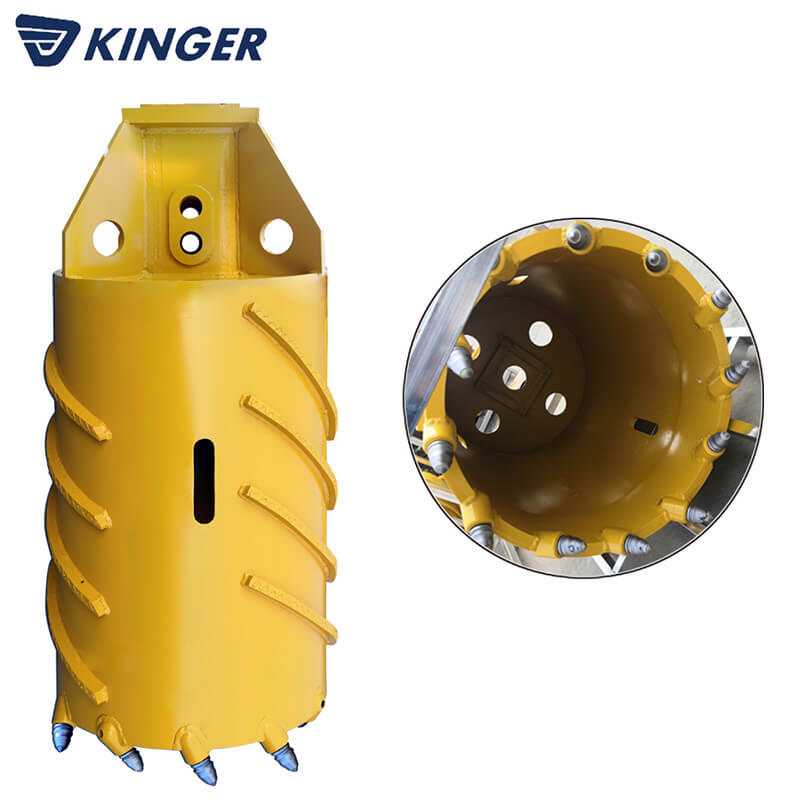
Hydraulic forestry machinery plays a central role in modern timber harvesting, wood processing, and sustainable forest management.
Buyers around the world increasingly search for hydraulic forestry machinery verified manufacturers, suppliers and exporters with quality assurance to ensure
long-term reliability, safety, and compliance with international standards.
This page provides original, industry‑neutral reference content suitable for use as a blog article, category page, or B2B directory
entry. It explains what hydraulic forestry machinery is, the benefits of hydraulic systems, key types of equipment, common technical
specifications, global quality certifications, and how to evaluate verified manufacturers, suppliers, and exporters without naming specific companies.
Focus keywords: hydraulic forestry machinery, verified manufacturers, forestry machinery suppliers, forestry machinery exporters, hydraulic logging equipment, quality assurance, forestry hydraulic attachments.
Hydraulic forestry machinery refers to forestry equipment and attachments that use hydraulic power for motion, cutting, lifting,
rotation and clamping functions. Instead of relying solely on mechanical drives or purely electric systems, this equipment
uses pressurized hydraulic oil to transmit power from a pump to cylinders and hydraulic motors.
Hydraulic forestry machinery includes a wide range of machines and attachments designed for:
The core characteristic is the use of hydraulic circuits with pumps, valves, hoses and actuators to produce high force and
precise movement in demanding forest environments.
| Application Area | Hydraulic Forestry Machinery Used | Key Hydraulic Functions |
|---|---|---|
| Timber harvesting | Harvesters, feller bunchers, harvester heads | Cutter bar drive, saw rotation, boom actuation, feed rollers |
| Log extraction | Forwarders, skidders, log loaders | Crane movement, grapple rotation, winch drive, steering assist |
| Wood processing | Chippers, shredders, debarkers, splitters | Rotary cutters, feed conveyors, splitting wedges, pressure control |
| Land clearing | Mulchers, stump grinders, brush cutters | High‑speed rotors, angle adjustment, depth control |
| Material handling | Grapples, log grabs, rotators, clamps | Opening/closing jaws, rotation, tilt, load holding |
The majority of modern forestry equipment uses hydraulic systems because they deliver powerful, controllable and durable performance in off‑road
conditions. Verified manufacturers, suppliers and exporters of hydraulic forestry machinery design products specifically to handle:
| Advantage | Description | Benefit for Forestry Operations |
|---|---|---|
| High power density | Hydraulic systems transmit large amounts of power through compact hoses and cylinders. | Enables compact equipment to handle large trees and heavy logs efficiently. |
| Smooth and precise control | Proportional valves and load‑sensing systems offer fine motion control. | Improves cutting accuracy, reduces damage to remaining trees and soil. |
| Overload protection | Relief valves and pressure settings protect components from excessive loads. | Extends machine life and enhances safety during difficult operations. |
| Flexibility and modularity | Hydraulic circuits can power multiple functions and attachments. | Allows quick change between forestry attachments, maximizing equipment utilization. |
| Durability in harsh conditions | Properly designed hydraulic components withstand contamination and impacts. | Reduces downtime and service intervals in remote forest locations. |
| Energy efficiency (with modern systems) | Load‑sensing and variable displacement pumps optimize flow and pressure. | Lowers fuel consumption and total operating cost per cubic meter of timber. |
Verified manufacturers, suppliers and exporters of hydraulic forestry machinery carefully select and test critical hydraulic components:
The term “hydraulic forestry machinery” covers multiple machine categories. Verified manufacturers, suppliers and exporters typically
offer complete machines as well as specialized hydraulic forestry attachments.
Hydraulic forestry harvesters are purpose‑built machines that cut, delimb and buck trees in a single process. The key hydraulic unit is
the harvester head, usually mounted on an articulated boom.
| Component | Hydraulic Functions | Typical Specifications |
|---|---|---|
| Harvester boom | Lifting, telescoping, slewing and tilting | Operating pressure 200–350 bar; reach 7–11 m |
| Harvester head feed rollers | Feeding and reversing logs during processing | Feeding speed 3–7 m/s; torque up to 4,000 Nm |
| Saw unit (bar or disc) | High‑speed rotation for cross‑cutting | Motor speed 2,000–4,000 rpm; chain/bar length 70–90 cm |
| Delimbing knives | Opening/closing around the stem | Clamping force adjusted by system pressure |
Hydraulic forwarders transport processed logs from the felling site to roadside landings. Skidders drag whole trees or bundles.
Both rely extensively on hydraulic power.
Tracked or wheeled log loaders use long‑reach hydraulic booms and rotators to handle timber at landings, mills or ports.
| Parameter | Typical Range | Notes for Buyers |
|---|---|---|
| Maximum lift capacity | 1–10 tons (at specified reach) | Select according to log diameter and handling volume. |
| Hydraulic system pressure | 220–350 bar | Higher pressure allows higher lifting capacity with smaller cylinders. |
| Rotator torque | 1,000–4,000 Nm | Essential for precise log positioning and stacking. |
| Grapple opening width | 800–2,500 mm | Adapted to small logs, pulpwood or large sawlogs. |
Hydraulic Log Splitters and firewood processors use cylinders to push logs against splitting wedges. These machines are common
in both industrial and small‑scale applications.
Land clearing machinery uses high‑speed hydraulic motors to drive rotors, drums, discs or cutting heads. Verified forestry equipment
manufacturers design these units to handle rocks, roots and dense vegetation.
| Machine Type | Main Hydraulic Drive | Power Requirement |
|---|---|---|
| Forestry mulcher | High‑torque drum motor | 60–300 hp hydraulic input, depending on working width |
| Stump grinder | Disc or wheel motor | 30–120 hp hydraulic input, with high‑speed rotation |
| Brush cutter / Flail Mower | Rotor or blade motor | 15–100 hp hydraulic input |
Many buyers search for hydraulic forestry machinery in the form of attachments that can be mounted on existing carriers
such as excavators, agricultural tractors or skid‑steer loaders.
Verified forestry machinery suppliers and exporters usually provide mounting kits, couplers and hydraulic connection packages tailored to
different carrier brands and models.
When sourcing hydraulic forestry machinery from verified manufacturers, suppliers and exporters with quality assurance, buyers should analyze
a set of technical parameters. The following tables summarize the most common specifications for forestry hydraulic systems and components.
| Specification | Typical Value Range | Relevance for Forestry Machinery |
|---|---|---|
| Rated working pressure | 180–350 bar | Higher pressures increase power but require heavier components. |
| Maximum flow rate | 50–400 l/min | Determines speed of boom, motors and cylinders. |
| Hydraulic oil type | ISO VG 32, 46, 68; bio‑oil options | Biodegradable oils may be required in sensitive forest ecosystems. |
| Filter rating | 10–25 microns (pressure line), 25–40 microns (return line) | Fine filtration extends component life under dusty conditions. |
| Tank capacity | 100–800 liters (machines); 10–80 liters (attachments) | Adequate reservoir volume stabilizes temperature and de‑aeration. |
| Parameter | Typical Values | Forestry Example |
|---|---|---|
| Bore diameter | 40–180 mm | Large boom cylinders in harvesters may reach 140–160 mm. |
| Rod diameter | 25–120 mm | Thicker rods reduce buckling during heavy lifting. |
| Stroke length | 300–2,000 mm | Long strokes for outriggers and telescopic booms. |
| Seal material | NBR, HNBR, FKM, PU | Must be suitable for operating temperature and bio‑oils. |
| Mounting style | Clevis, trunnion, spherical bearing, flange | Selected according to equipment design and load direction. |
| Motor Type | Displacement Range | Typical Forestry Use |
|---|---|---|
| Axial piston motor | 30–250 cc/rev | Drive for saws and high‑power feed rollers. |
| Radial piston motor | 80–1,000 cc/rev | Rotators and high‑torque drum drives in mulchers. |
| Gerotor / orbital motor | 50–400 cc/rev | Grapple rotation and small auxiliary functions. |
| Gear motor | 10–80 cc/rev | Conveyors, small saws and feeders. |
Quality‑oriented, verified forestry machinery manufacturers and suppliers usually highlight material and surface treatment details:
| Component | Common Materials | Surface Treatment |
|---|---|---|
| Cylinder tubes | Seamless steel (e.g. ST52) | Honed, phosphated, painted, zinc‑nickel where needed |
| Piston rods | C45, 42CrMo4, stainless grades | Hard chrome plating, induction hardening, ceramic or nickel‑chrome coatings |
| Fittings & adapters | Carbon steel, stainless steel, brass | Zinc plating, electroplating, powder coating |
| Structures & frames | High‑strength low‑alloy steel | Shot blasting and multi‑layer painting for corrosion resistance |
Verified manufacturers, suppliers and exporters of hydraulic forestry machinery implement comprehensive quality assurance systems.
Buyers should pay attention to documented procedures that cover design, raw materials, welding, machining, assembly, testing and
after‑sales support.
| Standard | Scope | Importance for Forestry Machinery Buyers |
|---|---|---|
| ISO 9001 | Quality management systems | Indicates consistent production and continuous improvement processes. |
| ISO 14001 | Environmental management systems | Demonstrates responsible environmental practices, essential in forestry. |
| ISO 45001 / OHSAS 18001 | Occupational health and safety | Highlights focus on safe manufacturing and product safety. |
| ISO 3834 (welding quality) | Quality requirements for fusion welding of metallic materials | Critical for welded booms, frames and critical structures. |
Verified exporters and suppliers of hydraulic forestry machinery normally provide testing reports and inspection protocols. Buyers
should look for:
| Test Type | Purpose | Typical Scope |
|---|---|---|
| Pressure testing | Ensure hydraulic circuits withstand rated pressure without leaks. | Static over‑pressure, endurance cycles and burst testing. |
| Functional testing | Verify smooth operation of cylinders, motors, valves and controls. | Full machine run‑in, multiple operating modes and safety logic checks. |
| Leak and seal testing | Confirm sealing integrity at ambient and elevated temperatures. | Visual inspections and automated leak detection methods. |
| Structural and fatigue tests | Assess boom and frame strength under simulated loads. | Finite element analysis, static load tests and fatigue cycle tests. |
| Coating and corrosion tests | Evaluate paint and plating performance in harsh climates. | Salt‑spray testing, adhesion testing, thickness measurement. |
Reliable, verified forestry machinery manufacturers and exporters typically offer:
Finding hydraulic forestry machinery verified manufacturers, suppliers and exporters with quality assurance involves more than
comparing prices. Buyers, contractors and dealers should assess multiple aspects of supplier reliability, technical competence and
after‑sales capability.
| Criterion | What to Check | Relevance for Forestry Buyers |
|---|---|---|
| Legal registration | Business license, tax registration, export license. | Ensures the manufacturer or exporter is officially recognized. |
| Production capability | Factory size, machine tools, assembly lines, testing facilities. | Indicates capacity to deliver consistent volumes and custom orders. |
| Quality management | ISO certificates, internal audit records, quality manuals. | Shows systematic control of product quality and traceability. |
| Engineering resources | Number of design engineers, CAD/CAE tools, R&D investments. | Important for customized forestry attachments and OEM projects. |
| Export experience | Years of export history, main export markets, shipping partners. | Reduces risk of delays and non‑compliance with import rules. |
| Customer references | Case studies, testimonials, project lists (anonymous if needed). | Provides practical feedback from forestry contractors and users. |
For large projects and long‑term supply contracts, forestry companies often conduct:
While no specific brands are listed here, most verified hydraulic forestry machinery manufacturers, suppliers and exporters offer
a structured product range. The following overview can be used to build category pages, directories or catalogs.
| Category | Key Features | Typical End Users |
|---|---|---|
| Tracked harvesters | Powerful hydraulic systems, long reach booms, enclosed cabins. | Industrial logging companies, large forest owners. |
| Wheeled harvesters | High mobility, reduced soil impact, advanced control systems. | Operators in soft ground and mixed terrain. |
| Forwarders | Hydraulic cranes, bunk systems, off‑road chassis. | Timber transport between stump and roadside. |
| Log loaders and handlers | Rotating cabins, long booms, strong grapples. | Log yards, sawmills, pulp mills, ports. |
| Skidders | Hydraulic winches, blade, grapple options. | Tree‑length logging in steep or rugged terrain. |
| Attachment Type | Main Hydraulic Functions | Compatible Carriers |
|---|---|---|
| Harvester heads | Cutting, feeding, delimbing, measuring. | Harvesters, excavators, purpose‑built carriers. |
| Felling heads and Tree Shears | Clamping, cutting, tilting. | Excavators, skid steers, tractors. |
| Timber grapples | Opening, closing, rotation. | Loaders, cranes, excavators, forwarders. |
| Rotators and swing dampers | Continuous rotation, controlled swinging. | Grapples, log grabs, Saw Heads. |
| Forestry mulchers | High‑speed rotor drive, height and angle adjustment. | Excavators, tractors, skid steers. |
| Stump grinders | Disc drive, swing and depth control. | Skid steers, excavators, tractors. |
Many verified forestry machinery suppliers and exporters also offer individual hydraulic components optimized for forestry duty:
The market for hydraulic forestry machinery is global. Verified manufacturers, suppliers and exporters are located in many regions,
offering machines tailored to local forest conditions and regulations.
| Aspect | Points to Evaluate | Impact |
|---|---|---|
| Regulatory compliance | CE/UKCA marks, local safety rules, emissions regulations for engines. | Prevents import issues and ensures workplace safety compliance. |
| Logistics and shipping | Packing methods, disassembly for containerization, Incoterms. | Influences total landed cost and risk during transport. |
| After‑sales service | Spare parts stock, local partners, remote diagnostics. | Determines downtime and maintenance costs over machine life. |
| Language and documentation | Manuals in required languages, metric/imperial units, training materials. | Essential for operators, mechanics and inspectors. |
| Payment and warranty terms | Payment methods, warranty duration, coverage limitations. | Affects financial risk and projected life‑cycle cost. |
Modern hydraulic forestry machinery manufacturers and suppliers place strong emphasis on environmental protection and operator safety,
particularly when exporting to markets with strict regulations.
| Safety Feature | Function | Hydraulic Relevance |
|---|---|---|
| Load‑holding valves | Prevents sudden drop of booms or loads if a hose fails. | Mounted on cylinders and motors in critical lifting circuits. |
| Emergency stop circuits | Allows operators to quickly shut down hydraulic functions. | Disconnects control signals to valves and pumps. |
| Protective guards | Shields for hoses, cylinders and rotating parts. | Reduces risk of damage and accidental contact. |
| ROPS/FOPS cabins | Protects the operator from rollovers and falling objects. | Hydraulic cabin leveling systems can improve stability. |
| Interlock systems | Prevents unintended operation of hazardous functions. | Hydraulic controls may be disabled unless conditions are safe. |
Hydraulic forestry machinery operates in extremely demanding conditions. Verified manufacturers, suppliers and exporters highlight
maintenance guidelines to maximize uptime and protect hydraulic components.
Suppliers and exporters that prioritize quality often provide:
For website owners, marketplaces or B2B directories, properly structured content about hydraulic forestry machinery verified manufacturers,
suppliers and exporters with quality assurance helps attract high‑intent visitors and supports search engine optimization.
| Section | Content Ideas | SEO Role |
|---|---|---|
| Category introduction | Define hydraulic forestry machinery, applications and benefits. | Targets main keywords; provides context. |
| Product sub‑categories | Harvesters, forwarders, attachments, hydraulic components. | Improves relevance for long‑tail keywords. |
| Specifications tables | Technical data for pressures, flows, sizes, capacities. | Captures search queries related to “specifications” and “technical data”. |
| Quality and certification | Explain ISO, CE, testing, inspection and safety features. | Reaches users searching for “certified” or “compliant” machinery. |
| Sourcing advice | Guidelines for choosing verified manufacturers, suppliers and exporters. | Positions the page as an authoritative buying guide. |
| Inquiry or contact section | Lead forms or contact information (on real websites). | Converts visitors into buyers or qualified leads. |
Hydraulic forestry machinery is essential for efficient, safe and sustainable timber harvesting and forest management. Choosing
verified manufacturers, suppliers and exporters with quality assurance reduces technical risks, ensures regulatory compliance and
optimizes long‑term operating costs.
By understanding the main types of hydraulic forestry machinery, the critical specifications, and the quality and certification
requirements, buyers can make informed sourcing decisions. The information on this page can be integrated into blogs, category
listings, product directories and industry resource pages that target global buyers and professionals in the forestry and logging
sectors.
```
This website uses cookies to ensure you get the best experience on our website.


 Español
 Portugues
 Français
 Italiano
 Nederlands
 Polski
 Română
 lietuvių
 Hrvatski



 WhatsApp
 Phone
Phone
Comment
(0)